Local & Family Owned Mole Trapping Service
FAQ About Moles

Mole Questions & Answers for Oregon Homeowners

Moles can cause raised tunnels, fresh mole hills, soft ground, and visible lawn damage before most homeowners realize how active they are. Below are answers to common questions about Oregon mole activity, residential mole problems, and the local no-poison mole trapping methods used by Mole Masters.

Common Signs of Mole Activity

  • Fresh mole hills or mounds
  • Raised tunnels through the lawn
  • Soft or uneven ground
  • Lawn damage near landscaped areas
  • Recurring activity after watering
Questions & Answers

FAQs About Moles and the Damage They Can Cause

Learn why moles choose certain yards, how to identify mole activity, and how Mole Masters handles expert residential mole trapping without poisons in Clackamas, Portland, and the surrounding Portland Metro area.

The same things that make someone’s yard appealing to a person can attract moles. Moles are drawn to watered lawns with plenty of worms, insects, and soft soil, which is why Oregon yards can become active areas for mole tunnels and fresh mounds.
At Mole Masters, we do not use poisons. Instead, we use no-poison mole trapping methods with traps placed into active areas of the ground and covered by small buckets to help protect kids, pets, and the appearance of your lawn.
In late winter, moles have a breeding cycle. This can lead to more mole activity during late spring and summer. Dry weather can also encourage moles to move into watered lawns, which may lead to fresh mole hills, raised tunnels, and new lawn damage.
Moles can return if new activity moves into the yard later. During our residential mole trapping service, we work to trap active moles on the property and address new mole activity that appears during the service period.
Common signs of mole activity include fresh mounds, raised tunnels, soft ground, and visible veins through the yard or bark dust. If you are seeing recurring lawn damage in a watered area, Mole Masters can inspect the yard and identify where mole trapping is most likely to be effective.
A vole is more like a mouse than a mole or gopher. They do live underground, but their presence is usually marked by open holes in the ground. A gopher will make mounds like a mole, but gopher mounds tend to have more rocks and are often flatter. Gophers usually live in fields rather than a typical residential yard. A mole is the most common tunneling pest in many Oregon lawns.

Mole Masters focuses on mole trapping and no-poison mole removal. We do not handle vole problems due to the challenges in measuring effectiveness. The most effective methods for voles often involve poisons, which we avoid using as part of our commitment to environmentally responsible service.
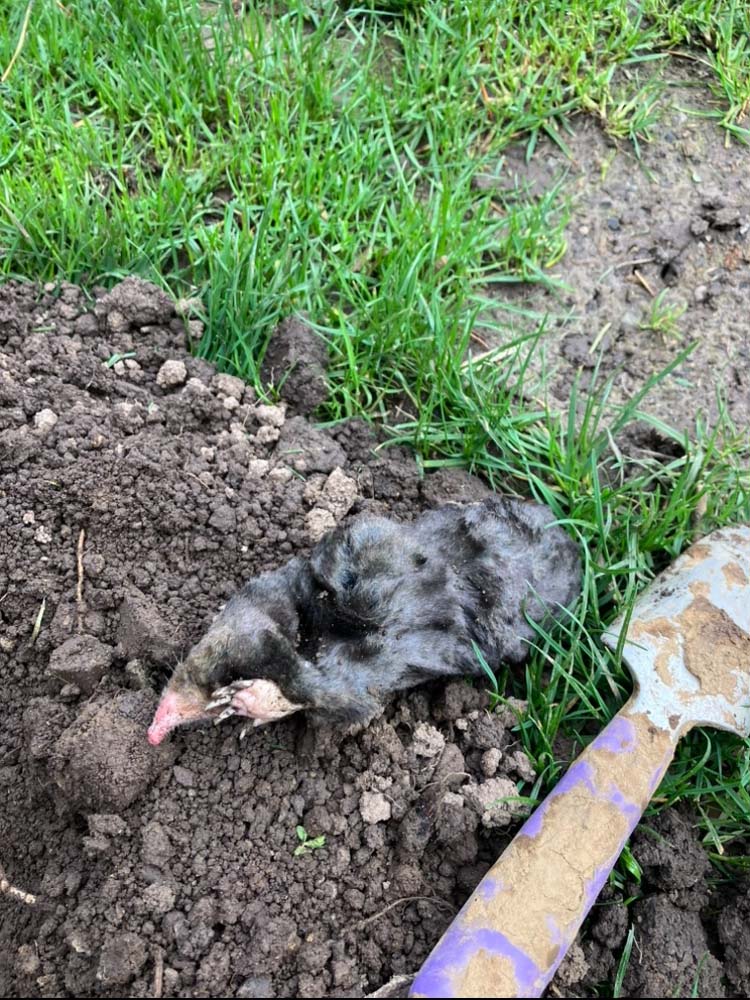
After active moles are caught, the visible activity should begin to disappear. You should stop seeing new mole hills, raised veins, or fresh lawn damage in the treated areas. Mole Masters also provides progress updates during the mole trapping service period.
It may seem like there has to be an army of moles to cause the amount of damage you are seeing. In many residential lawns, one or two active moles can create extensive tunnels, fresh mounds, and noticeable yard damage by themselves.
A mole’s size can range from just a couple of inches to about seven inches. Even though moles are small, their digging can create significant lawn damage, raised tunnels, and fresh mounds throughout a yard.
Mole Masters focuses on practical, affordable mole trapping for local homeowners. Pricing can depend on the property, the level of mole activity, and the service needed, so the best next step is to contact us with details about your yard.
Example of mole trapping activity and lawn damage in an Oregon yard
Example of mole trapping activity in a lawn
About Moles

Why Moles Are So Active in Oregon Yards

The most common mole in Oregon is the Townsend’s mole. Moles thrive in the common yard because it is full of worms and bugs they love to eat. When the ground is getting dry elsewhere, a nice watered yard can become the perfect environment for a mole.

Moles have broad, spade-shaped claws that are built for moving dirt. They use those claws to dig a series of tunnels, which can damage lawns, flower beds, bark dust, and landscaped areas by lifting the soil around them.

Moles are mainly solitary animals except during mating season in late winter. A female mole may have a litter of two to four young in a deep underground burrow, which is one reason homeowners may notice more mole activity in spring and summer.

One or two moles can cause significant lawn damage, fresh mounds, and raised tunnels by themselves.
Still Have Questions?

Need Help Getting Rid of Moles in Your Yard?

If you are seeing fresh mounds, raised tunnels, soft ground, or recurring lawn damage, Mole Masters can help identify the issue and provide local no-poison mole trapping service. Looking for mole trapping near me in Clackamas, Portland, or the Portland Metro area? Contact our family owned team today.

Areas We Serve

Local Mole Trapping Around the Portland Metro Area

Mole Masters provides no-poison mole trapping, mole removal, and residential mole control services for homeowners throughout Clackamas, Portland, Beaverton, Tigard, Gresham, and surrounding communities.

Portland Beaverton Aloha Hillsboro Tigard Tualatin West Linn Lake Oswego Oregon City Wilsonville Canby Gladstone Milwaukie Clackamas Happy Valley Damascus Boring Sandy Troutdale Estacada Fairview Gresham
Need gopher service?

Some Nearby Areas Are Served by Gopher Patrol

For gopher and mole trapping services in Salem, Corvallis, Beavercreek, Molalla, and Mulino, visit Gopher Patrol.